
Andaman Vacations - Book Holidays, Hotels, Activities & more..
 updated on
The Bay of Bengal is home to more than 500 islands known as the Andaman and Nicobar Islands, which are well-known for their immaculate beaches, verdant rainforests, colorful coral reefs, and abundant wildlife. These islands are home to indigenous populations and delicate ecosystems that rely heavily on nature, making them more than just a tropical vacation destination. But climate change is now posing an increasing danger to this ecological gem.
Tables on contents :
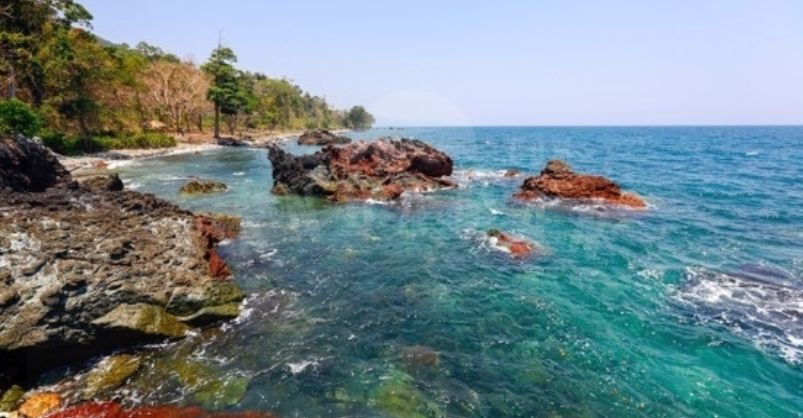
Climate change is not a distant issue for the Andaman and Nicobar Islands, it’s already happening. The effects are visible in multiple areas:
Many low-lying coastal areas are facing erosion and submergence. Several beachlines have receded, affecting both local settlements and tourism infrastructure.
Higher ocean temperatures have led to coral bleaching events, especially in areas around Havelock (Swaraj Dweep) and North Bay. Coral reefs are vital for marine biodiversity and also act as natural barriers against tidal waves.
The islands are experiencing changes in rainfall patterns, extended dry seasons, and sudden cyclonic storms. This unpredictability affects agriculture, freshwater availability, and daily life for locals.

The Andaman Islands are more than a tourist destination. They are part of India’s critical ecological zones and home to several endemic species found nowhere else in the world. The impact of climate change here can lead to:
Loss of marine and terrestrial biodiversity
Disruption of local communities and livelihoods
Decline in eco-tourism opportunities
Increased vulnerability to natural disasters like tsunamis and cyclones

To protect these islands from long-term damage, sustainable practices and policy interventions are essential:
Encouraging low-impact tourism that respects local ecology and culture. Resorts and operators are increasingly adopting waste management, plastic bans, and solar energy use.
Conservation of mangrove forests is a key focus for reducing coastal erosion and protecting biodiversity.
Government and environmental groups are collaborating on long-term monitoring programs to assess temperature, sea level, and biodiversity changes.
Visitors also play a role in conservation. If you’re planning a trip to Andaman:
Choose eco-certified resorts and activity operators
Avoid plastic and non-biodegradable waste
Respect wildlife and natural habitats
Support local conservation efforts and local businesses

Every travel goal, be it diving, island hopping, sightseeing, or just relaxing, can be enhanced or limited by the climate. Knowing the monthly weather patterns helps you pack smarter, schedule better, and enjoy more.
Climate change poses a serious challenge to the Andaman and Nicobar Islands, threatening their natural beauty, biodiversity, and sustainability. However, with conscious tourism, sustainable development, and collective efforts, it’s possible to preserve this fragile paradise for future generations
The Andaman Islands still remain a breathtaking destination, let’s do our part to keep it that way.
Read More Post: What Makes Havelock Island a Must-Visit in the Andamans?
Use this climate guide to match your travel style with the season and uncover the best of Andaman, your way.
We are Happy to Help You
+91 932-080-0880
info@andaman.vacations
Monday to Saturday
9.00am - 7.00pm
