- Home
- Andaman Islands
- Port Blair
- Museums & Monuments
- Jail at Viper Island
Jail at Viper Island at Andaman Islands
– A Forgotten Chapter of Colonial Punishment
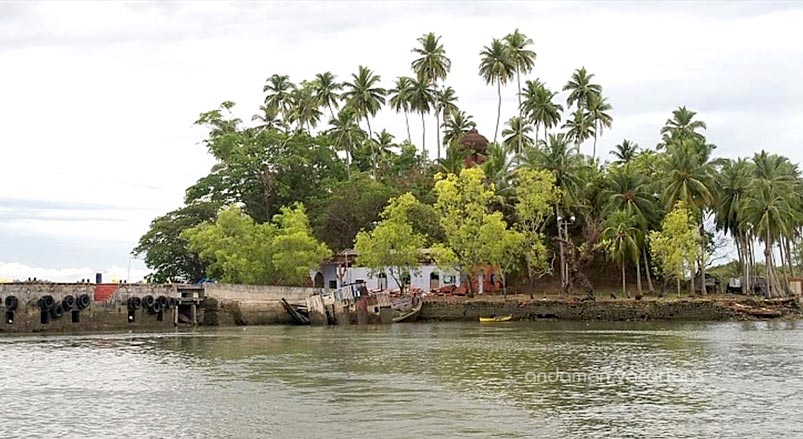
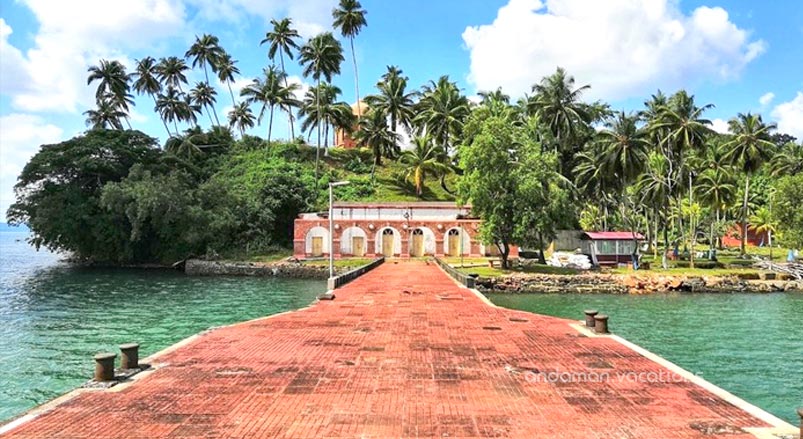
Before the construction of the Cellular Jail, this small island served as the first penal settlement established by the British in the Andaman Islands. The Viper Island Jail, completed in 1867, was used to confine prisoners and convicts under harsh and often brutal conditions. Though smaller in scale, Viper Island Jail became infamous for its use of chain gangs, public flogging, and executions, including the gallows that once stood at its summit.
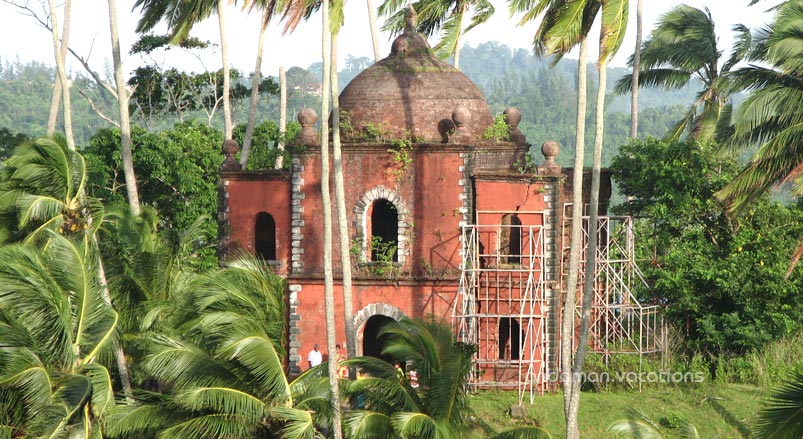
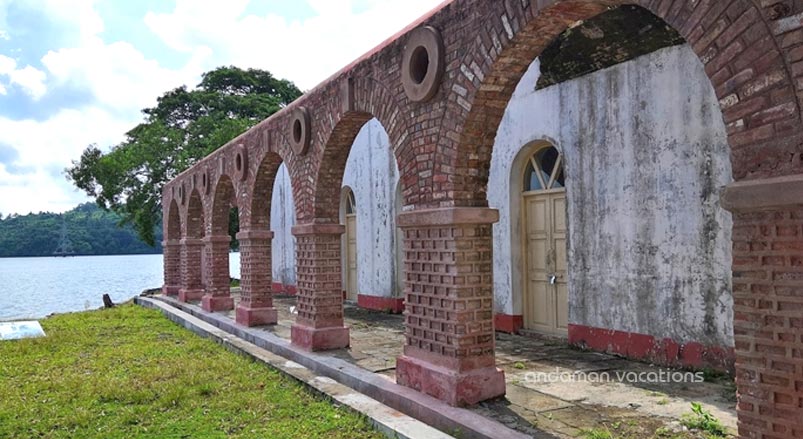
Today, the remnants of the jail and gallows lie in ruins, overgrown by vegetation and surrounded by views of the calm sea, creating a striking contrast between the island’s natural beauty and its grim past. Unlike the larger and more structured Cellular Jail, Viper Island unveils an unfiltered and raw glimpse into the early days of colonial punishment in the archipelago. The sense of isolation here is powerful, echoing the experience of the prisoners who were banished to this lonely outpost.
The gallows site at the top offers panoramic views of the surrounding waters and a solemn reminder of those who once stood at its edge. Viper Island Jail is a place where history was both written and erased an essential point to understand the foundations of India’s penal legacy in the Andamans.
Interesting Facts
- Home to a grim chapter of India's colonial past, the jail at Viper Island once held political prisoners under British rule its haunting ruins now stand as a silent reminder of the sacrifices made for India’s freedom.
Historic ruins of the first British jail in the Andamans, execution site, and early penal settlement architecture.
Things to DO
- Walk through the ruins of the original British jail
- Hike up to the hilltop gallows for panoramic views
- Reflect on the harsh colonial justice system
- Take photographs of the overgrown stone walls and natural surroundings
Traveller Tips
- Carry water, as there are limited facilities on the island
- Wear walking shoes the terrain involves a short uphill climb
- Join a guided boat tour to get historical context during your visit
- Check weather conditions, as ferry services may be suspended during rough seas